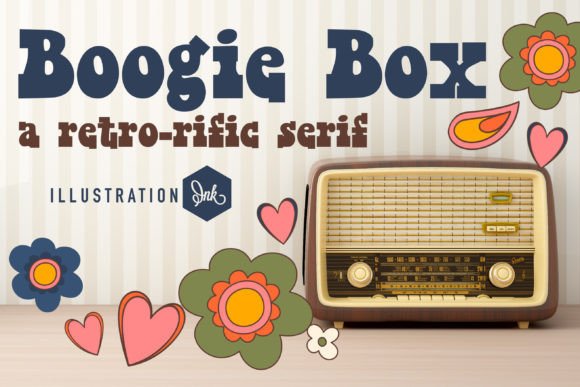
Boogie Box: A Bold and Versatile Display Font for Creative Projects
Boogie Box is a display font that stands out in a crowded market of typographic options. Its unique design and expressive character make it a compelling choice for designers, marketers, and content creators looking to add a distinctive visual flair to their work. While many fonts aim for simplicity or neutrality, Boogie Box embraces a more dynamic and energetic aesthetic, offering a fresh alternative for projects that demand attention and personality.
What Makes Boogie Box Unique?
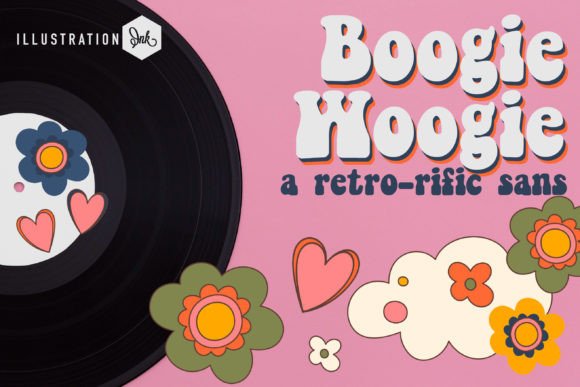
At first glance, Boogie Box appears to be a playful and unconventional typeface. However, its design is far from random. The font features exaggerated curves, irregular shapes, and a sense of movement that gives it a lively, almost musical quality. These characteristics are not just stylistic choices—they serve a functional purpose in making the font highly readable and visually engaging, even at smaller sizes.
The font’s name itself hints at its personality. "Boogie" suggests rhythm and energy, while "Box" implies structure and clarity. This combination creates a balance between spontaneity and control, allowing users to maintain a cohesive design while still expressing creativity. Whether used in headlines, logos, or branding materials, Boogie Box has the ability to command attention without overwhelming the viewer.
Key Characteristics and Design Elements
One of the most notable aspects of Boogie Box is its versatility. It comes in multiple weights and styles, giving users the flexibility to adjust the font’s intensity based on their needs. From light, elegant variations to bold, eye-catching versions, each weight maintains the font’s core identity while adapting to different contexts.
The letterforms in Boogie Box are designed with a focus on contrast and motion. For example, the lowercase 'a' and 'g' have fluid, looping shapes that suggest movement, while the uppercase letters often feature sharp angles and dramatic strokes. This mix of softness and strength helps the font stand out in both digital and print environments.
Another key feature is the font’s spacing and kerning. Despite its expressive design, Boogie Box maintains consistent spacing that ensures readability across different mediums. This attention to detail makes it suitable for a wide range of applications, from web banners to packaging designs.
Practical Use Cases and Real-World Performance
Boogie Box excels in situations where a strong visual statement is needed. It is particularly effective in marketing campaigns, social media graphics, and editorial layouts where the goal is to capture the audience’s interest quickly. Its bold and dynamic appearance can help differentiate a brand or message in a competitive space.
In web design, Boogie Box can be used as a headline font to draw attention to key information. When paired with a simpler body font, it adds a layer of visual interest without compromising legibility. However, due to its complexity, it may not be ideal for long paragraphs or body text, where clarity and ease of reading are paramount.
For print projects, Boogie Box can add a touch of personality to posters, flyers, and signage. Its high contrast and distinct shapes make it well-suited for large-scale designs where visual impact is important. That said, users should test the font at various sizes to ensure it remains effective and readable in all formats.
Strengths and Limitations
One of Boogie Box’s greatest strengths is its ability to convey emotion and energy through typography. It is an excellent choice for creative professionals who want to express a specific mood or tone in their work. Its unique design also makes it less likely to be overused, which can help maintain a sense of originality in a project.
However, Boogie Box may not be the best fit for every project. Its stylized nature can sometimes feel overwhelming, especially in minimalist or corporate settings where subtlety is preferred. Additionally, because of its intricate details, it may require more careful handling in terms of spacing and alignment to avoid visual clutter.
Users should also consider the technical requirements of the font. While it is compatible with most design software, some platforms may not render it as smoothly as others. Testing the font in different environments is recommended to ensure optimal performance.
Who Can Benefit from Using Boogie Box?
Boogie Box is particularly well-suited for designers working on creative or artistic projects. It can be a valuable tool for branding, advertising, and editorial design, where a strong visual identity is essential. Entrepreneurs and small business owners looking to create a memorable brand presence may find it useful for logos, slogans, and promotional materials.
Content creators and marketers can also benefit from using Boogie Box in social media posts, presentations, and website headers. Its bold style can help grab attention and reinforce a brand’s personality. However, it is important to use the font strategically, ensuring it complements rather than distracts from the overall message.
Freelancers and independent artists may appreciate the font’s ability to add a personal touch to their work. Whether designing for clients or showcasing their own portfolio, Boogie Box can help set their projects apart in a competitive field.
Recommendations for Effective Use
To get the most out of Boogie Box, users should start by understanding the context in which they plan to use it. For example, if the goal is to create a clean and professional look, a lighter weight of the font may be more appropriate. If the objective is to make a bold statement, a heavier version could be more effective.
Pairing Boogie Box with complementary fonts is another way to enhance its impact. A simple sans-serif or serif font can provide a counterbalance to the font’s complexity, creating a harmonious and balanced design. Users should also pay attention to line spacing and alignment to ensure the text remains easy to read.
Finally, testing the font in real-world scenarios is crucial. Whether designing for a website, a print ad, or a social media campaign, seeing how Boogie Box performs in different environments can help identify any potential issues and refine the final output.
Conclusion
Boogie Box is more than just a visually striking font—it is a tool that can elevate creative projects with its unique blend of energy and structure. While it may not be the right choice for every design, its versatility and expressive qualities make it a valuable asset for those who want to add a distinctive voice to their work. By understanding its strengths and limitations, users can make informed decisions about when and how to incorporate Boogie Box into their design process.