Boxed Wine: A Unique Font for Creative Projects
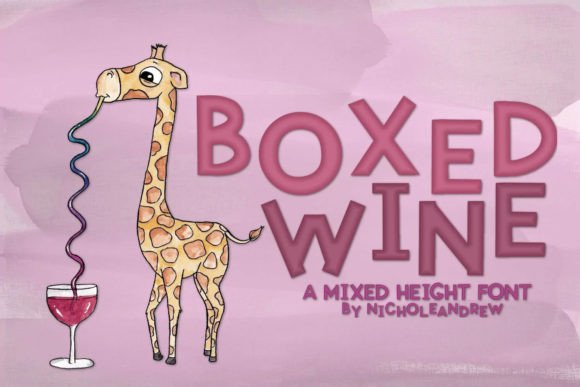
Boxed Wine is more than just a font; it's a creative tool that adds a playful and distinctive touch to any design project. This boxy, handwritten display font is ideal for those looking to inject some personality into their work, whether it's for branding, packaging, or personal projects. Its unique style makes it stand out in a sea of standard typefaces, offering a fresh perspective that can elevate your designs.
When integrated into your workflow, Boxed Wine can serve as a versatile asset that complements various design elements. It fits well in both digital and print formats, making it suitable for a wide range of applications. From t-shirts to water bottles, the font's structure allows for easy customization and adaptation, ensuring that it meets the specific needs of your project.
Understanding Boxed Wine in the Design Process
Before diving into the specifics of using Boxed Wine, it's essential to understand its role within the broader design process. This font is particularly useful during the ideation and execution phases, where creativity and originality are key. By choosing Boxed Wine, you're not just selecting a typeface; you're making a statement about the tone and character of your project.
During the planning stage, consider how Boxed Wine will interact with other design elements. Its boxy structure may influence the layout and spacing of your design, so it's important to test different configurations to ensure readability and visual appeal. This font works best when paired with clean, modern elements that don't overshadow its unique characteristics.
As you move into the execution phase, Boxed Wine can be used to create eye-catching headlines, logos, or labels. Its handwritten feel adds a sense of authenticity and approachability, which can be especially beneficial for brands aiming to connect with a more casual or artisanal audience.
Integrating Boxed Wine into Your Workflow
One of the most effective ways to use Boxed Wine is by incorporating it into your existing design tools and platforms. Whether you're working in Adobe Illustrator, Photoshop, or a web-based design tool like Canva, this font can be easily accessed and applied. The key is to maintain consistency in your design choices while allowing Boxed Wine to shine in the right contexts.
For example, if you're designing a series of t-shirts for a small business, you might use Boxed Wine for the main text on the front of the shirt, while keeping the rest of the design minimal and clean. This approach ensures that the font doesn't become overwhelming and remains a focal point of the design.
Another practical tip is to experiment with different sizes and weights of Boxed Wine. While the font is designed to be readable at larger sizes, it may require adjustments when used in smaller contexts. Testing the font across various mediums—such as print, digital screens, and social media—can help you determine the optimal settings for each application.
Boxed Wine in Real-World Applications
Boxed Wine's versatility makes it an excellent choice for a variety of real-world applications. For instance, when creating promotional materials for a local event, this font can add a fun and engaging element that captures attention. Its handcrafted look can evoke a sense of nostalgia or craftsmanship, which can resonate with specific audiences.
In the realm of product design, Boxed Wine can be used on water bottles, stickers, or packaging to create a cohesive brand identity. When paired with bold colors and simple graphics, this font can help establish a strong visual presence that stands out on store shelves or online marketplaces.
For educators or content creators, Boxed Wine can be a valuable tool in making educational materials more engaging. Using it for headings or key points can make information more accessible and visually appealing, especially for younger audiences or those who prefer a more dynamic learning environment.
Best Practices for Using Boxed Wine
To get the most out of Boxed Wine, consider the following best practices. First, ensure that the font is properly licensed for your intended use. This is especially important if you're using it for commercial projects or distributing your designs to others. Always check the terms of use to avoid any legal issues down the line.
Second, pay attention to the contrast between Boxed Wine and the background it's placed on. Since the font has a distinct style, it's crucial to maintain sufficient contrast to ensure readability. Avoid using it on complex or busy backgrounds that may detract from its visual impact.
Finally, don't hesitate to seek feedback from others. Show your designs to colleagues, friends, or potential clients to gauge how they perceive the use of Boxed Wine. Their insights can help you refine your approach and make informed decisions about where and how to apply the font effectively.
Conclusion: Embracing Creativity with Boxed Wine
Boxed Wine offers a unique opportunity to infuse creativity and personality into your design projects. By understanding its strengths and limitations, you can integrate it seamlessly into your workflow and achieve visually striking results. Whether you're a professional designer, a small business owner, or a hobbyist, this font can help you express your ideas in a fresh and engaging way.
As you explore the possibilities of Boxed Wine, remember that the goal is to enhance your work without compromising clarity or functionality. With careful planning and thoughtful implementation, this font can become a valuable asset in your design toolkit, helping you stand out in a competitive landscape.